From Operations to Automation
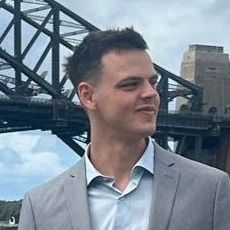
For three years I ran operations at a hospitality wholesaler. Orders came in messy, the same details got re-keyed by hand every morning, and the knowledge that made it work sat in one person's head.
Then I started building the fixes. I'm not a developer who read about your warehouse. I'm the person who used to run one.
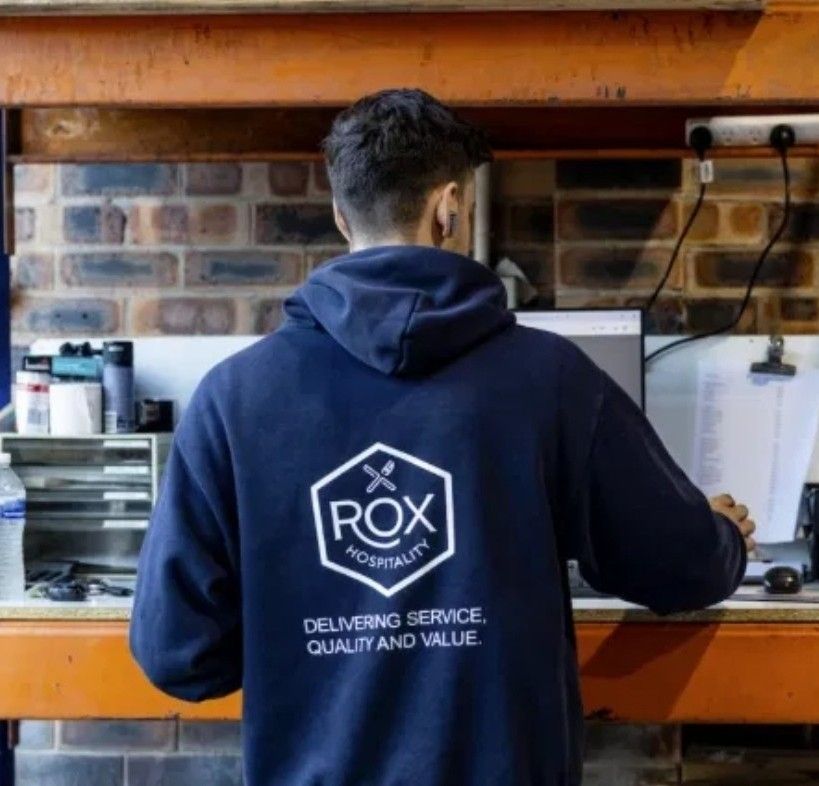
I had the problem before I built the fix.
Where I come from
Three years at Rox Hospitality, a wholesaler on the New South Wales south coast: 60–100 orders a week, thousands of SKUs, deliveries from Helensburgh to Mollymook. I started on packing & delivering. Toward the end I was managing the drivers and planning the runs, still jumping in behind the wheel on busy days, with the systems work built alongside.
Before Cin7, there was no inventory system. I prepared the rollout single-handed: thousands of SKUs' worth of product data, codes and pricing. The result was live stock tracking and inventory valuation for a business that had never had either.
The second warehouse was a converted mechanic's garage on the same site, shared with Alasco Engineering. I planned the split, helped clear and fit it out, and built a picking system that kept orders moving across two separate buildings. The move was also a chance to clear dead stock and tidy up old product codes in Cin7.
I wrote more than ten procedures, from planning trip sheets to order preparation and warehouse management, and Rox still run on them today. A big inspiration for the SOP generator I've built: I've written enough by hand to know what the shortcut has to get right.
A business that size has no dedicated operations team. Everyone pitches in, and I ran the warehouse jointly with the sales manager, who's also the owner. Over three years the business grew, and error rates and stock accuracy improved substantially.
Orders arrived messy, at all hours, for next-day delivery, and every customer had their own shorthand. Only the sales manager could decode them. The order-intake tool stood to change that: its alias database translates each customer's jargon, so anyone can enter an order and the knowledge no longer sits with one person.
How I work
I'll tell you when the answer is a procedure or a staffing change rather than an automation. It gets written down before it gets built, as a plan you can read and argue with.
You own everything: the workflows, the documentation, the accounts. And every build has a point where a person checks before anything goes out.
Who this is for
B2B hospitality wholesalers: the businesses that take orders from cafés, restaurants, hotels and venues and get product onto trucks.
If your day still runs on email, spreadsheets and a whiteboard, we'll get along. If you're after a dev shop or a startup CTO, I'm probably not your person, and I'll say so early.
He's hardworking, sharp, and great with people.
The work is the rest of the answer, and the credentials page lists what I've studied and what the builds run on.